



Top 10 Organic Food Brands in India You Can Trust in 2026
India's organic food market is set to cross $10 billion by 2033. These 10 brands are already building the companies that will get it there.


India’s organic food market was valued at USD 1,917.4 million in 2024 and is projected to reach USD 10,807.9 million by 2033, at a CAGR of 20.13%. That is a fivefold expansion in under a decade, driven by a combination of rising urban incomes, growing awareness of pesticide use in conventional farming, and a generation of Indian consumers who are increasingly reading ingredient labels rather than just looking at prices.
The category has moved well beyond the niche health-store shelf. Strategic collaborations with retail giants, wellness platforms, and food delivery apps are further boosting visibility and consumer adoption, while premium brands are targeting affluent urban consumers with value-added organic products such as cold-pressed oils, ready-to-eat meals, and plant-based protein snacks.
The 10 brands on this list span that entire range, from India’s oldest and most established organic players to D2C startups that have raised institutional venture capital. Every brand is Indian-origin, every brand is actively selling to Indian consumers today, and every brand has a genuine story behind it worth knowing.
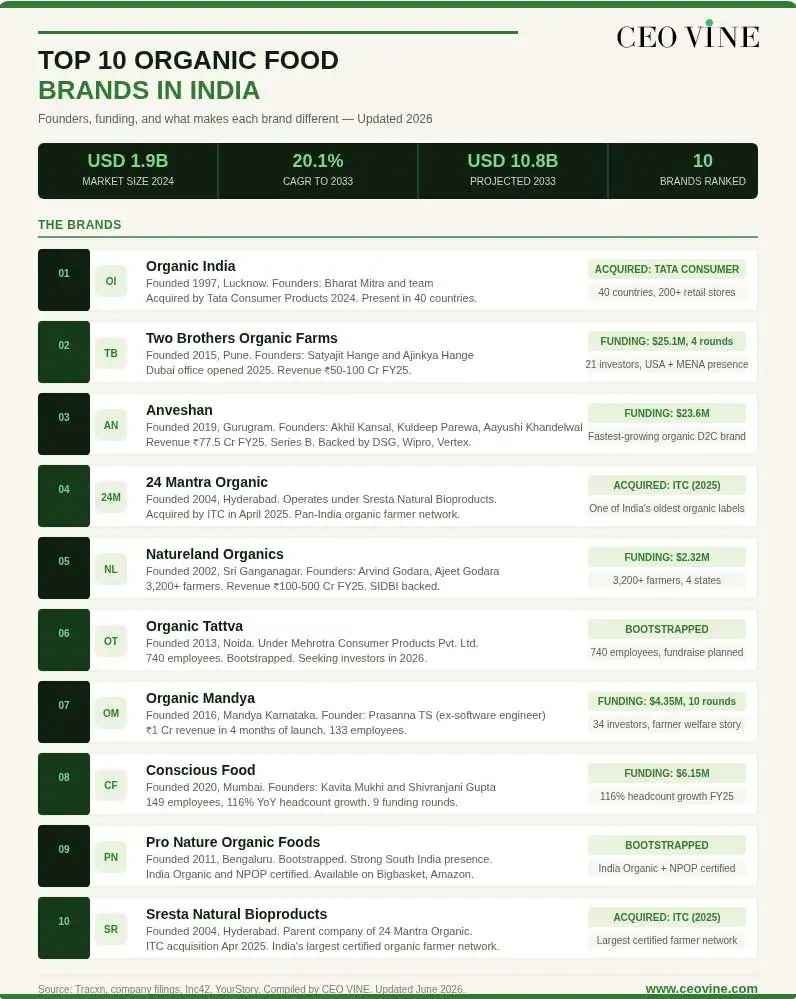
1. Organic India
Founded: 1997
Founders: Bharat Mitra, Bhavani Lev, Yoav Lev, Holly B. Lev, and Krishan Guptaa
Headquarters: Lucknow, Uttar Pradesh
Current ownership: Acquired by Tata Consumer Products (2024)
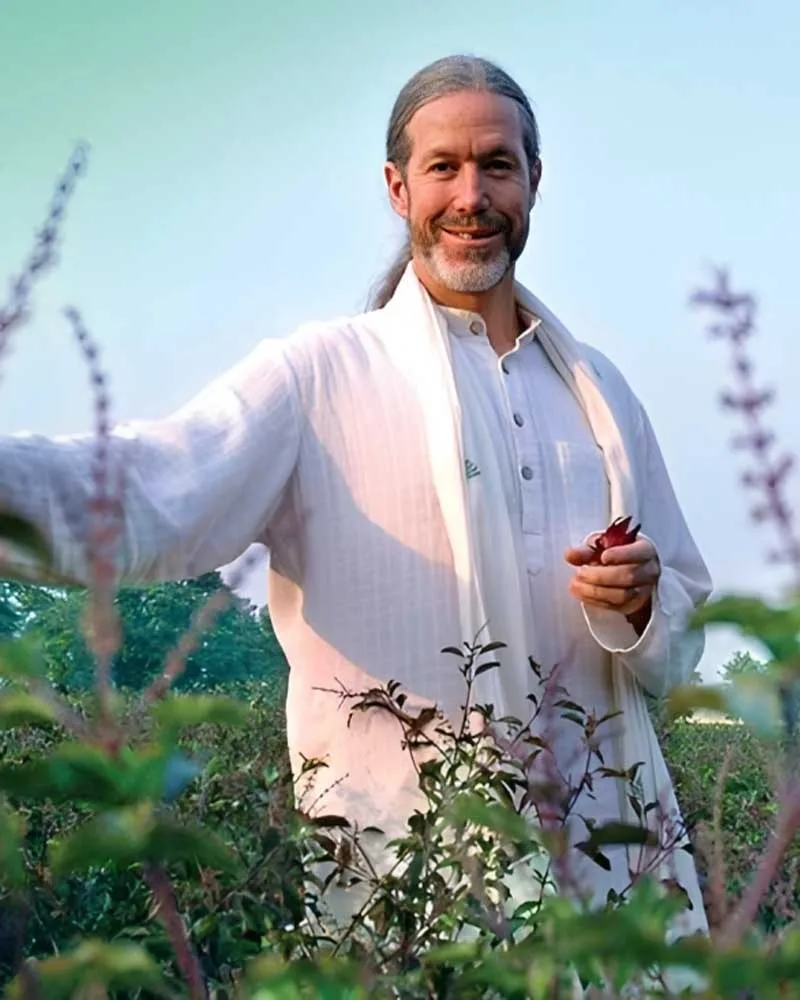
Organic India is the oldest and most internationally recognised name on this list. Founded in 1997 in Lucknow, the brand was built on a single, powerful insight: India’s ancient tradition of growing food in harmony with nature was not a primitive limitation to be overcome, it was a competitive advantage to be commercialized.
The company works with thousands of small family farmers across India, cultivating tens of thousands of acres of certified organic farmland. Its flagship product, Tulsi tea, is available in 18 different flavours and has become one of India’s best-known organic exports, with Organic India products available in over 200 retail outlets across 100 cities in India and present across 40 countries.
Beyond tea, the brand has expanded into ghee, supplements, chyawanprash, herbal syrups, and bulk teas. In 2024, Premji Invest exited its stake when Tata Consumer Products acquired Organic India, making it part of one of India’s largest FMCG conglomerates and significantly expanding its distribution reach.
2. Two Brothers Organic Farms
Founded: 2015
Founders: Satyajit Hange and Ajinkya Hange
Headquarters: Pune, Maharashtra
Revenue (FY25): ₹50–100 crore
Funding: $25.1 million across 4 rounds
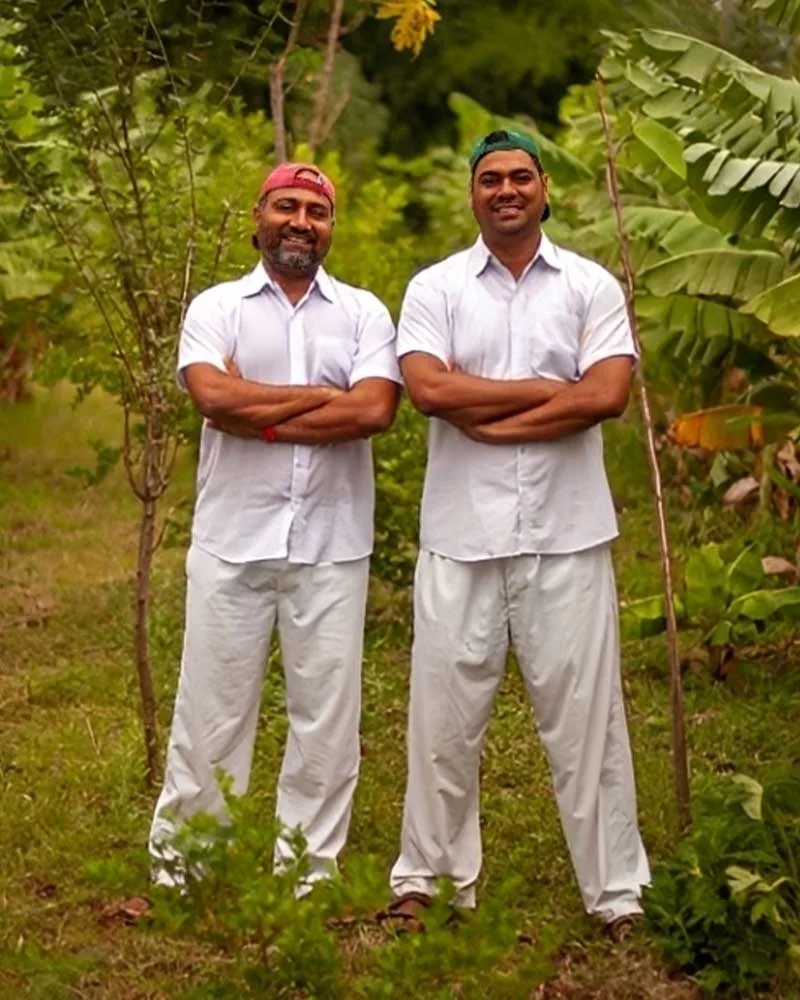
The name says everything about the origin story. Satyajit and Ajinkya Hange are actual brothers who left their corporate careers to return to their family farm in Bhodani village, Maharashtra, and build something different. They were not agricultural scientists or food technologists. They were two people who believed that the food their grandparents grew, without chemicals, without shortcuts, was better than what India’s industrialised food supply was producing. So they went back and started farming that way again.
Two Brothers Organic Farms has raised a total funding of $25.1 million over 4 rounds from 21 investors. The brand manufactures cultured ghee, stone-ground flour, cold-pressed oils, and natural sweeteners using traditional processing methods to maintain quality and purity.
Recent milestones include a Hyderabad expansion in March 2026 and the launch of a Dubai office alongside a unified brand identity across USA and MENA in late 2025, signalling a brand that is no longer just a farm-to-fork domestic story but a genuinely global play for the Indian diaspora market.
3. Anveshan
Founded: 2019
Founders: Akhil Kansal, Kuldeep Parewa, and Aayushi Khandelwal
Headquarters: Gurugram, Haryana
Revenue (FY25): ₹77.5 crore
Funding: $23.6 million
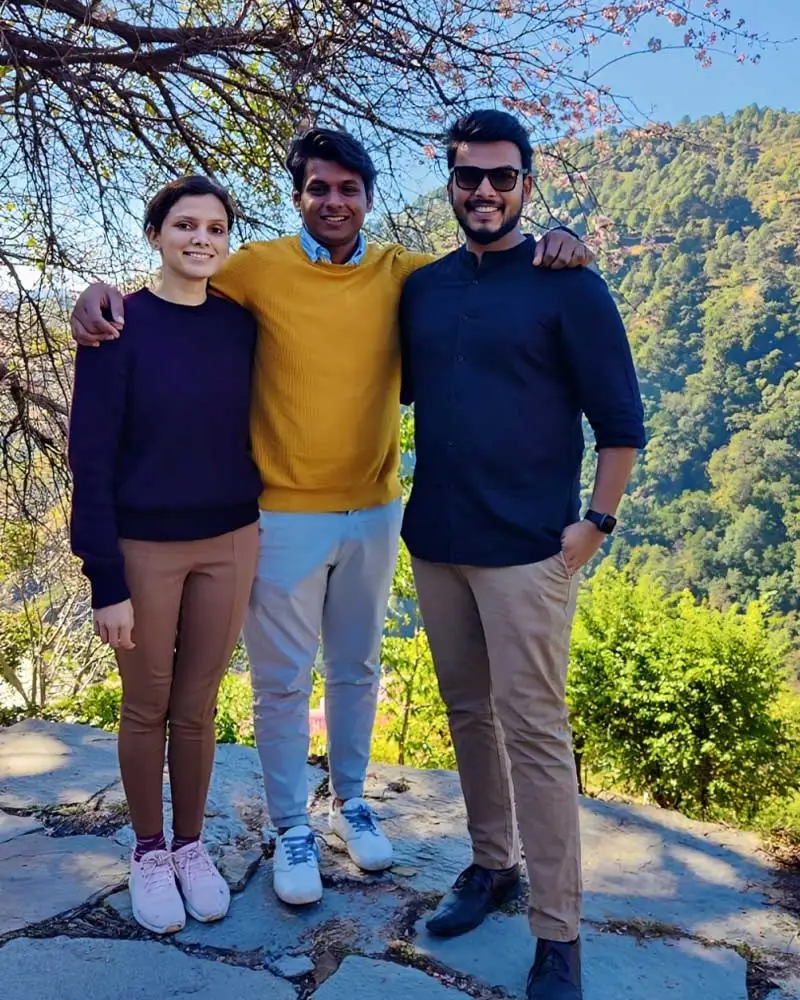
Anveshan is the youngest brand on this list by founding year and one of the fastest-growing by revenue trajectory. Anveshan is a Series B company founded in 2019 by Akhil Kansal, Kuldeep Parewa and Aayushi Khandelwal, operating as an online brand offering natural food products including cold-pressed oils, ghee, honey, spices, and millet-based products sourced directly from farms.
Anveshan has raised $23.6 million from investors including DSG Consumer Partners, Wipro Consumer Care, and Vertex Ventures. With ₹77.5 crore in FY25 revenue and founder net worth estimated at ₹240 crore, Anveshan’s growth over a six-year span from launch to Series B is one of the sharper trajectories in India’s organic food D2C space.
The brand’s positioning is notably research-led, with each product line accompanied by detailed information about sourcing, processing methods, and nutritional benefits, an approach that resonates strongly with the urban, millennial, and Gen Z consumers who make up the bulk of its customer base.
4. 24 Mantra Organic
Founded: 2004
Headquarters: Hyderabad, Telangana
Current ownership: Acquired by ITC (April 2025)
24 Mantra Organic is one of India’s most established certified organic food brands and operates at the intersection of farmer welfare and urban consumer health. The brand works with a network of certified organic farmers across several Indian states, providing them with fair prices and market access while offering urban consumers a wide range of verified organic pantry staples.
The name “24 Mantra” reflects the company’s founding philosophy: all 24 hours of the day, at every meal, the food you eat should nourish rather than harm. The brand prices its products at 40 to 60 percent above conventional equivalents, a premium it justifies through rigorous third-party certification and transparent sourcing.
A significant development came in April 2025 when ITC acquired 24 Mantra Organic, adding one of India’s most trusted organic labels to ITC’s growing foods and FMCG portfolio. The acquisition gives 24 Mantra access to ITC’s pan-India distribution infrastructure, potentially transforming what has been a largely metro-urban brand into a genuinely mass-market one.
5. Natureland Organics
Founded: 2002
Founders: Arvind Godara and Ajeet Godara
Headquarters: Sri Ganganagar, Rajasthan
Revenue (FY25): ₹100–500 crore
Funding: $2.32 million
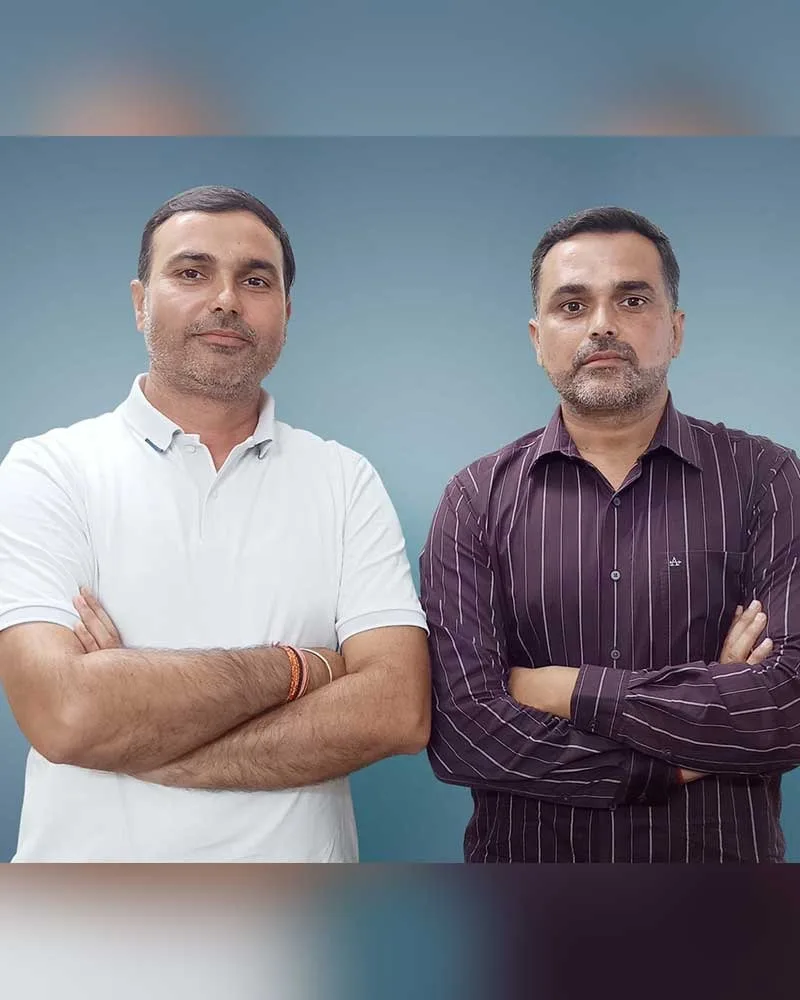
Natureland Organics is one of the rare organic food companies in India built from the farmer side up rather than the consumer side down. Founded in 2002 by Arvind Godara and Ajeet Godara, Natureland Organics is a producer and supplier of organic foods working with over 3,200 farmers in Rajasthan, Punjab, Uttarakhand and Madhya Pradesh, offering beans, pulses, grains, flour, spices, oil, oilseeds, and related products.
The company raised funding from SIDBI Venture Capital’s Samridhi Fund, a government-backed investor focused on small and medium enterprises, reflecting Natureland’s roots as a grassroots agricultural enterprise rather than a venture-backed startup. Revenue between ₹100–500 crore in FY25 places it among the larger players in the Indian organic food space by scale.
6. Organic Tattva
Founded: 2013
Founders: Rohit Mehrotra and Kriti Mehrotra
Headquarters: Noida, Uttar Pradesh
Employees: 740
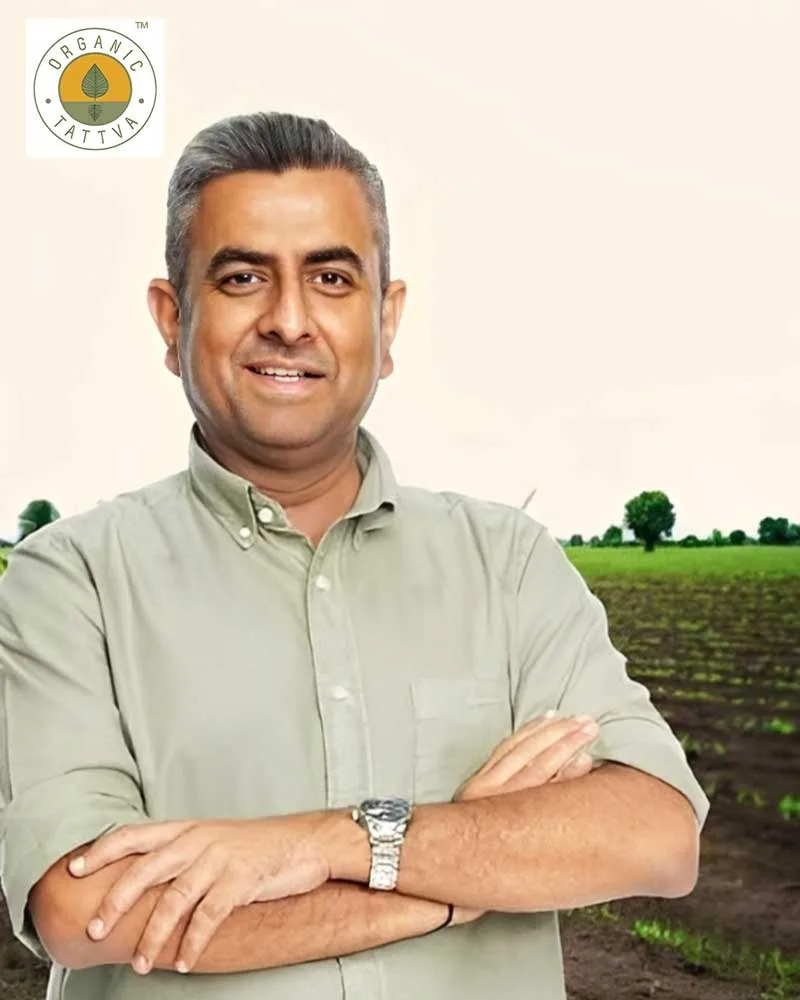
Organic Tattva operates under Mehrotra Consumer Products Private Limited and has become one of India’s most widely distributed certified organic food brands, available across major e-commerce platforms, modern trade retail chains, and quick commerce apps.
Founded in 2013 by Rohit Mehrotra and Kriti Mehrotra, Organic Tattva sources produce from sustainable farms employing pesticide-free and non-GMO growing methods, offering a wide selection of staples including flours, rice, pulses, oils, spices, and more, with products undergoing rigorous testing before sale. The brand has 740 employees as of 2025, making it one of the larger employers in the Indian organic food sector. In May 2026, Organic Tattva was reported to be seeking investors and hiring a banker for a funding round, suggesting plans for a significant capital raise and expansion phase.
7. Organic Mandya
Founded: 2016
Founder: Prasanna TS
Headquarters: Mandya, Karnataka
Funding: $4.35 million across 10 rounds
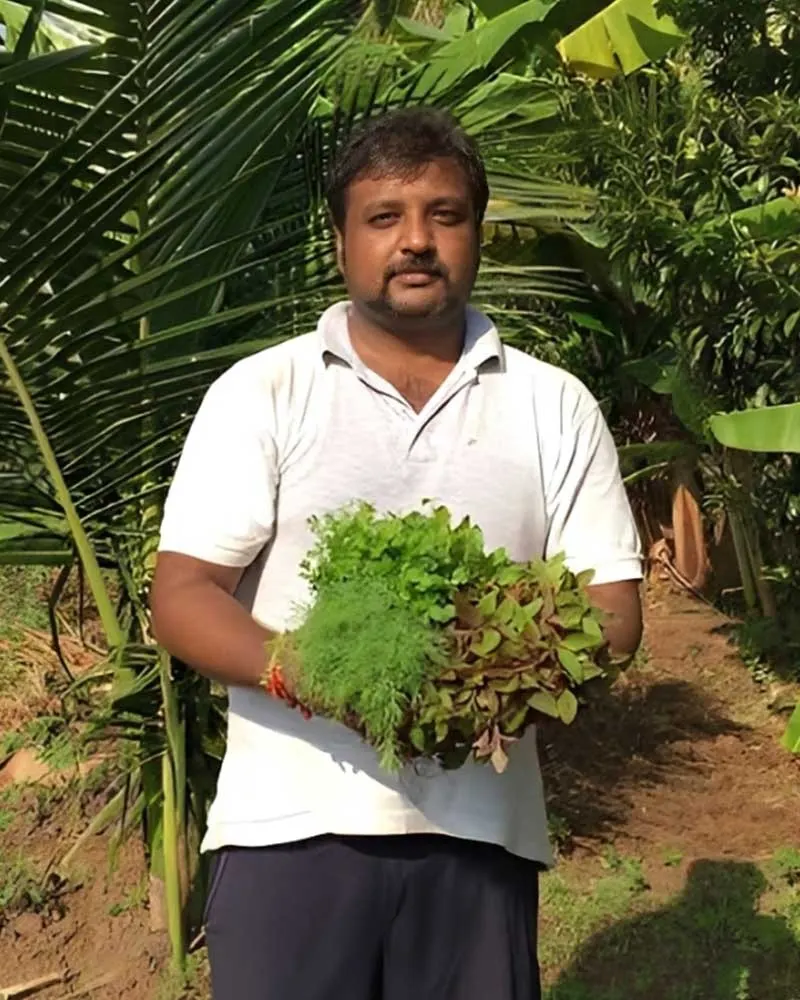
Organic Mandya is one of India’s most distinctive startup stories in the organic food space, because it did not begin as a food company. It began as a software engineer’s attempt to save a farming community from debt.
Prasanna TS was a software professional who returned to Mandya, a district in Karnataka historically known for its sugarcane farming and equally known for its farmer debt crisis, to build a model that could make organic farming economically viable for small landholders. In four months after launching, the platform had already crossed ₹1 crore in sales. Organic Mandya has raised $4.35 million across 10 rounds from 34 investors, making it one of the more broadly backed organic food startups from Tier-2 India.
Organic Mandya retails organic food products including cereals, pulses, dairy, oils, and snacks, offering a variety of chemical-free produce, grains, cold-pressed oils, traditional millets, dairy items, and various ready-to-cook food options, all cultivated to support soil health and environmental sustainability.
8. Conscious Food
Founded: 2020 (current entity)
Founders: Kavita Mukhi and Shivranjani Gupta
Headquarters: Mumbai, Maharashtra
Funding: $6.15 million across 9 rounds
Employees: 149 (116% YoY headcount growth as of 2025)
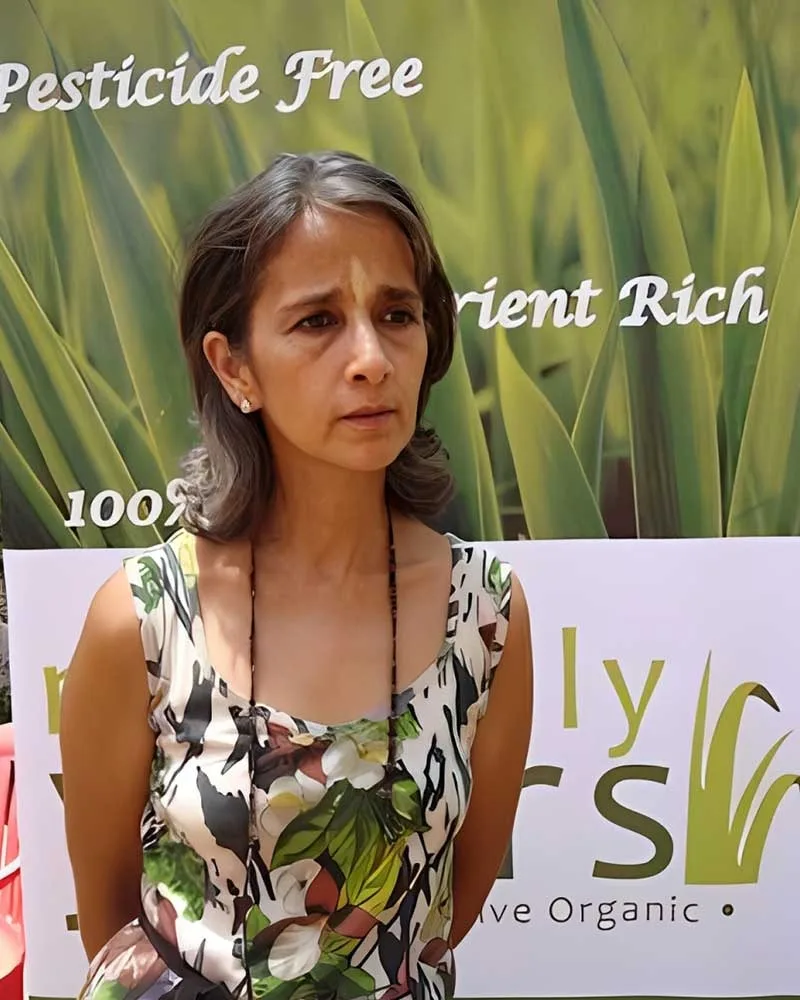
Conscious Food occupies a distinct position in this list as a brand co-founded by one of India’s most respected voices in food and nutrition. Kavita Mukhi, a food activist and nutritionist who has advocated for traditional Indian foods and against processed food for decades, is one of the company’s co-founders.
Conscious Food has raised $6.15 million across 9 rounds. The company’s 116% year-on-year headcount growth between 2024 and 2025 signals a business in active expansion mode. Its offerings include organic cereals, pulses, rice, flour, tea, sweeteners, spices, ghee, multigrain dosa mix, and ready-to-eat products.
9. Pro Nature Organic Foods
Founded: 2011
Founders: Varun Gupta and Nidhi Gupta
Headquarters: Bengaluru, Karnataka
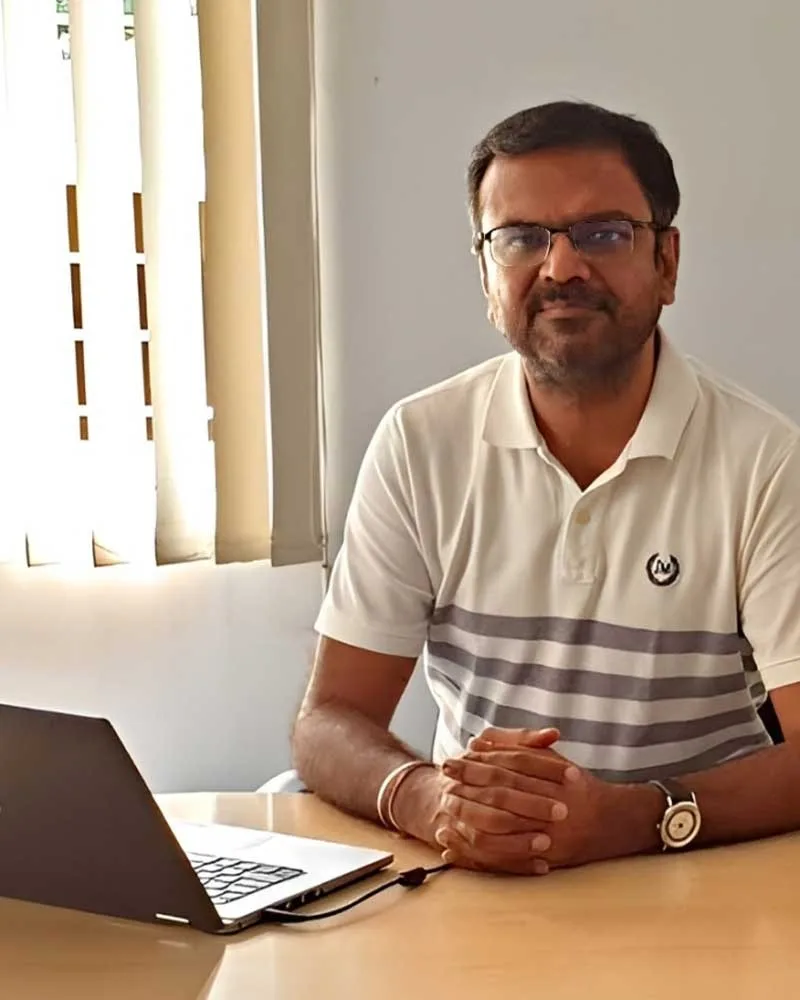
Pro Nature Organic Foods is one of the most recognisable certified organic brands in South India, particularly dominant in Karnataka, Tamil Nadu, and Andhra Pradesh, before expanding nationally through e-commerce platforms.
The brand focuses on making certified organic products available at price points that are accessible to middle-income urban households, a positioning it has held consistently since its 2011 founding. Its products carry India Organic and NPOP certifications, both among India’s most recognised organic food certifications, providing the kind of third-party credibility that consumer trust in this category depends on.
Pro Nature is bootstrapped and widely available through Bigbasket, Amazon, and its own website, as well as through select modern trade and natural food stores across India.
10. Sresta Natural Bioproducts (24 Mantra’s Parent)
Founded: 2004
Founder: Rajashekar Reddy Seelam
Headquarters: Hyderabad, Telangana
Ownership: Now under ITC following 2025 acquisition
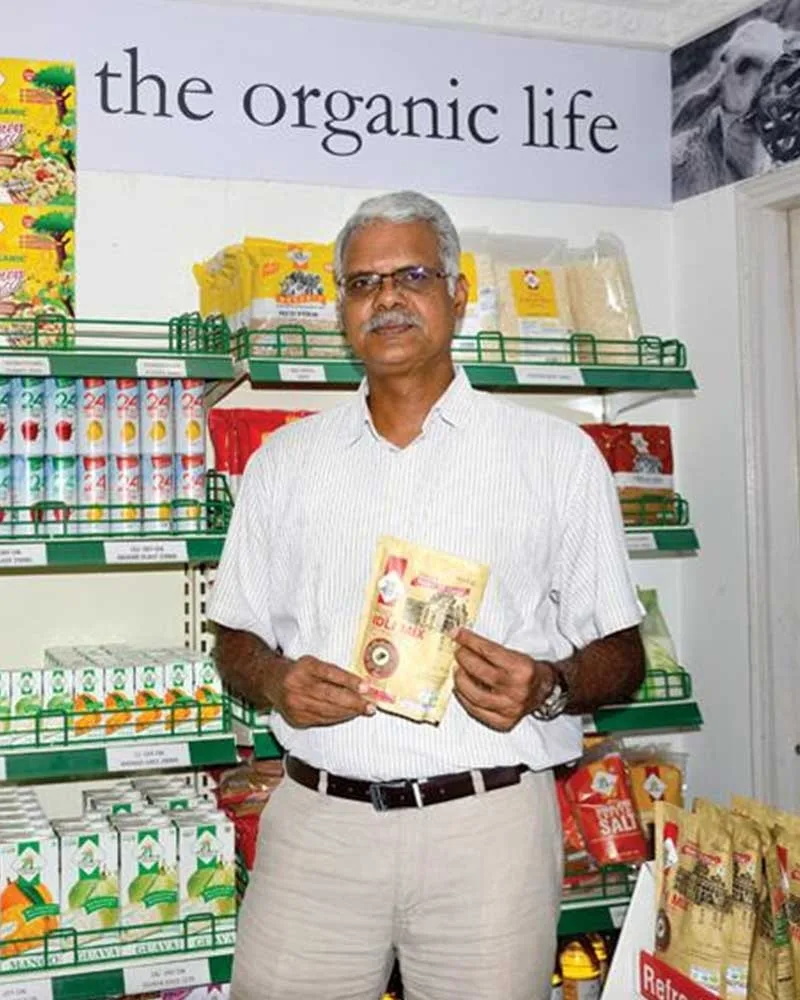
Sresta Natural Bioproducts is the parent company behind the 24 Mantra Organic brand and represents one of India’s earliest and most mission-driven organic food businesses. The company was built on a direct commitment to India’s organic farming movement, working with farmers from the beginning to convert conventional land to certified organic cultivation.
Sresta operates one of India’s largest networks of certified organic farmers, a supply chain moat that took years to build and cannot be easily replicated by a brand simply slapping an organic label on conventionally farmed produce. Its acquisition by ITC in April 2025 is a strong signal that India’s FMCG majors now take the organic food category seriously enough to acquire leaders rather than build competing brands from scratch.
What Is Driving the Organic Food Boom in India?
The Indian organic food sector is being shaped by key transformative trends, including strategic collaborations with retail giants, wellness platforms, and food delivery apps that are further boosting visibility and consumer adoption.
Three specific shifts are worth calling out. First, the availability gap is closing. Five years ago, buying certified organic food in India meant going to a specialty store or ordering online and waiting two days. Today, Organic India, Two Brothers, and Anveshan are all available on Blinkit, Zepto, and Swiggy Instamart for 10-minute delivery, meeting consumers where they already shop rather than asking them to change behaviour.
Second, the certification layer is maturing. India Organic, USDA Organic, and NPOP certifications are becoming standard consumer reference points rather than niche jargon, which makes it easier for brands to justify the price premium and for consumers to understand what they are paying for.
Third, the farmer story is becoming a marketing asset. Every brand on this list mentions its farmer network prominently, from Natureland’s 3,200 farmers to Two Brothers’ single family farm to Organic Mandya’s debt-relief origin story. Indian consumers, particularly the urban, digitally-active generation that drives D2C organic food growth, respond to the supply chain story as much as to the health claim.