



Phool.co Success Story: India’s First Startup to Recycle Temple Flowers
Phool.co, founded by Ankit Agarwal in Kanpur, isn’t just recycling temple flowers—it’s reshaping the way we think about waste, culture, and conscious living.


Every morning in India, temples come alive with chants, rituals, and devotion. One of the most common offerings? Flowers. Marigolds, roses, and jasmine are offered at the altar as a sacred gesture. But after the prayers, these same flowers meant to symbolize purity end up polluting India’s rivers, especially the Ganges, due to toxic pesticides and synthetic dyes.
In 2017, a quiet observation by Ankit Agarwal, a Kanpur-born engineer, sparked a sustainability revolution. During a stroll along the ghats of the Ganga, Ankit noticed heaps of discarded temple flowers floating in the holy river, mixing with industrial waste and choking aquatic life. The irony struck hard—how could offerings to the divine become environmental poison?
That day, Phool.co was born—not just as a brand, but as a movement to flowercycle India’s temple waste into something beautiful, sustainable, and scalable.
The Origin Story of Phool.co
Ankit Agarwal’s background is rooted in technology and social impact. A computer science graduate and former data scientist at Barclays, he had already worked on global development projects with the UN and the Bill & Melinda Gates Foundation.
But it was the contradiction of sacred waste polluting sacred waters that catalyzed a change in his life. He teamed up with his childhood friend Prateek Kumar and launched Kanpur Flowercycling Pvt. Ltd., with the goal to transform religious flower waste into high-impact, eco-conscious products.
Their biggest challenge wasn’t logistics but cultural. Convincing temple authorities and priests to give up sacred flowers meant navigating faith, trust, and tradition. But Ankit’s sincerity and mission-driven approach paid off. Slowly, temple partnerships formed across Uttar Pradesh and Bihar. This was the beginning of India’s first flowercycling ecosystem—Phool.co.
Phool’s Product Innovation: From Incense Sticks to Vegan Leather
Starting with a modest production unit, the startup launched charcoal-free incense sticks made from floral waste. The response was overwhelmingly positive—consumers were drawn to the natural fragrance and ethical sourcing.
Since then, it’s product portfolio has expanded into an impressive range of sustainable alternatives:
Charcoal-Free Incense & Cones – Their first and most loved product, crafted using real flower dust with no toxic chemicals or charcoal.
Havan Cups & Vermicompost – Biodegradable havan samagri and organic compost produced from flower pulp, perfect for households and organic farmers.
Natural Holi Colors – The brand introduced vibrant, skin-safe Holi powders free from synthetic dyes. Their #PhoolWaliHoli campaign evoked childhood nostalgia and environmental consciousness.
Bathing Bars & Loofahs – The brand recently launched handmade soaps under the “No Chemistry” line, vegan, chemical-free, and available in essential oil fragrances.
Florafoam – India’s first biodegradable alternative to thermocol, made from discarded flowers. It decomposes within 30 days, posing zero environmental risk.
Fleather (Vegan Leather) – Perhaps Phool.co’s most disruptive product, Fleather is a plant-based alternative to animal leather. It won the UN Young Leader Award and PETA’s Best Innovation in the Vegan World. With the fashion industry increasingly pivoting toward cruelty-free materials, Fleather has global potential.
All these products are developed at IIT Kanpur’s Startup Incubation & Innovation Centre (SIIC), where Phool.co operates its R&D labs.
It isn’t just a green company, it’s a social enterprise transforming lives at the grassroots. The company employs over 300 women, many from Dalit and marginalized communities, who were once engaged in manual scavenging.
Now known as “flowercyclers,” these women work in safe, hygienic environments and earn a steady income of ₹7,000–₹10,000 per month. They also receive financial literacy training, access to healthcare, and emotional counseling.
You May Also Like | WinZO Success Story: From ₹1 Startups to a ₹1,055 Crore Gaming Empire
Phool.co Funding and Financial Growth
Phool’s mission and business model quickly attracted investor interest. Since inception, the startup has raised over ₹106 crore (~$13 million) across multiple funding rounds.
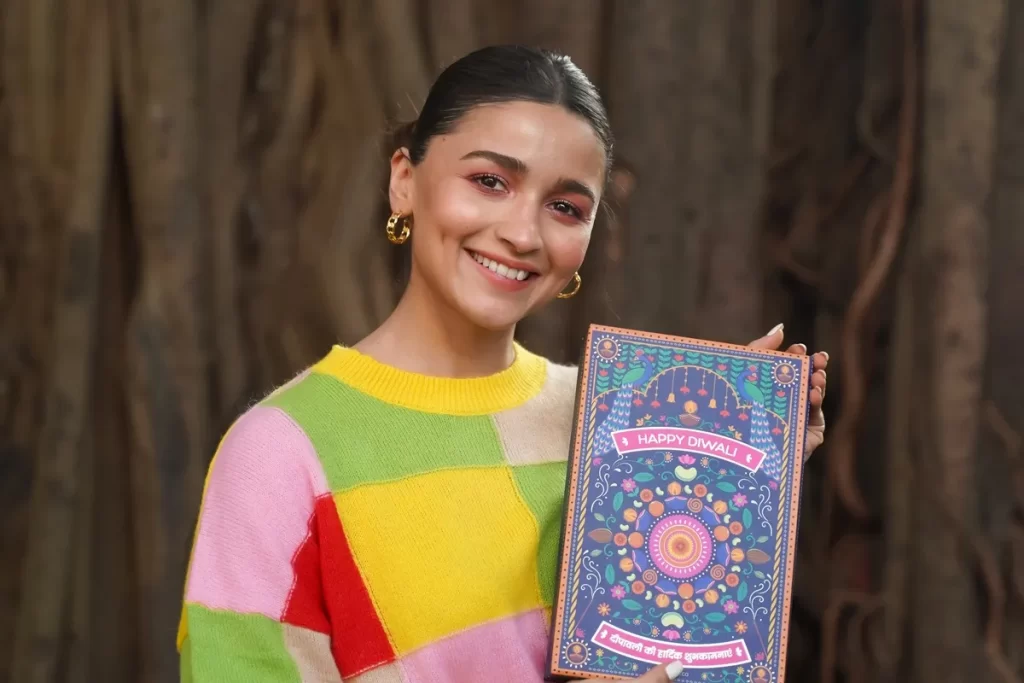
The company began its funding journey with support from the Indian Angel Network and Social Alpha (TATA Trusts). In 2022, it secured ₹60.5 crore in a Series A round led by Sixth Sense Ventures, a milestone that accelerated its R&D and expansion plans. Bollywood actor Alia Bhatt also invested in the startup and reportedly holds a minority stake in the company.
Over the years, Phool.co has steadily scaled both its operations and product portfolio, especially in sustainable materials like Fleather and Florafoam.
Phool.co Revenue and Losses:
| Fiscal Year | Revenue | Profit/Loss | Total Expenses |
|---|---|---|---|
| FY 2023 | ₹28.6 crore | Loss of ₹3.6 crore | ₹32.1 crore |
| FY 2024 | ₹50 crore | Loss of ₹5.2 crore | ₹55.2 crore |
| FY 2025 | ₹77 crore | Profit of ₹2.5 crore | ₹75 crore |
In FY25, Phool.co reported a major financial turnaround. The company’s operating revenue grew 54% year-on-year, rising from ₹50 crore in FY24 to ₹77 crore. While expenses increased due to expansion and brand-building initiatives, the startup improved its operational efficiency and margins significantly enough to post a profit of ₹2.5 crore, compared to a loss of ₹5 crore in the previous fiscal year.
Future Plans for Phool.co
Phool’s next chapter includes global expansion and industrial-scale adoption of its biomaterials like Fleather and Florafoam. The brand is in active talks with international fashion houses and cosmetic companies for strategic partnerships.
Some upcoming goals include:
- Exporting Fleather to Europe and the US
- Setting up new processing units in Maharashtra and South India
- Expanding into eco-packaging for FMCG brands
- Achieving carbon neutrality by 2030
- Launching a D2C app to grow e-commerce sales
Ankit Agarwal’s vision is to make Phool.co the Tesla of sustainable materials—beautiful, scientific, scalable, and socially inclusive.
The startup isn’t just solving a waste problem, it’s redefining what innovation looks like in India. It operates at the intersection of culture, sustainability, and design. From flower to product, from riverbank to retail shelf, from pollution to progress—Phool is proving that India can lead the way in circular economy solutions.
With profitability achieved in FY25 and growing global interest in sustainable biomaterials, Phool.co is now entering a new phase, one where impact and scalability are beginning to move hand in hand.
In a world struggling with climate anxiety, greenwashing, and cultural disconnect, Phool.co is the real deal. Born on the ghats of Kanpur and blossomed through innovation, it stands as a beacon of what conscious entrepreneurship can achieve.
Editorial Note: This story has been updated by the author to include the latest FY25 financial performance and recent developments related to the brand.