



Taxi Sanchalak: Driving Trust and Transparency in India’s Intercity Taxi Industry
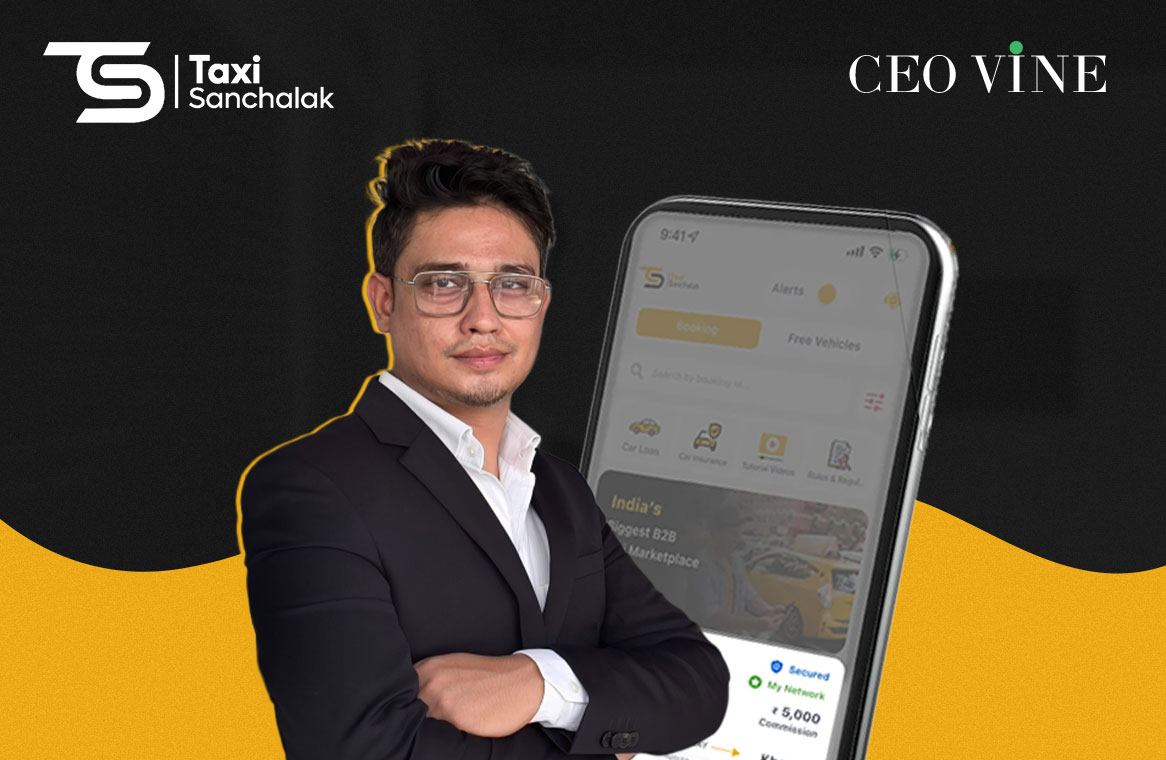
Taxi Sanchalak founded by Namit Gusain is built for the B2B intercity taxi market. It connects drivers, fleet operators, and travel agents on a single digital platform.

In India, intercity travel has long been a paradox. On one hand, demand is massive—millions of travelers rely on taxis for business trips, holidays, and family journeys. On the other, the industry remains deeply fragmented, largely offline, and often plagued by fraud, safety concerns, and lack of transparency.
For years, travel agents and operators relied on WhatsApp groups to arrange taxis. Bookings happened informally, payments were unverified, and disputes were frequent. For drivers and operators, delayed payouts and lack of accountability created constant uncertainty. For passengers, unregulated systems meant safety was never guaranteed.
It was against this backdrop that Taxi Sanchalak, a Uttarakhand-based startup, was born in February 2022. A digital-first platform designed to regulate, unify, and empower the intercity taxi ecosystem.
Founding Spark: From Personal Experience to Platform Vision
The idea for Taxi Sanchalak traces back to founder Namit Gusain’s years in the travel business. Working closely with operators and drivers, he witnessed firsthand how unorganized the intercity taxi sector was. Payment fraud, lack of verification, and unsafe systems had become the norm.
“Everything was running on trust within WhatsApp groups, but there was no accountability,” recalls Namit. “We wanted to build a platform that brought fairness, safety, and structure for everyone involved.”
The name itself reflects this mission. “Sanchalak” means regulator, symbolizing the company’s role in organizing a sector long left unregulated.
What Taxi Sanchalak Does?
Unlike consumer-focused ride-hailing apps like Ola and Uber, Taxi Sanchalak is built for the B2B intercity taxi market. It connects drivers, fleet operators, and travel agents on a single digital platform.
- Drivers gain access to verified bookings, ensuring steady income without relying on local contacts.
- Travel agents arranging packages can post requirements and instantly connect with reliable operators.
- Fleet owners managing large contracts can fulfill demand by sourcing vehicles at scale through the platform.
With features such as automated payments, verified user onboarding, and AI-driven scalability, Taxi Sanchalak ensures secure, fast, and transparent transactions.
Early Challenges: Building Trust in a Fragmented Market
Adoption wasn’t easy. Convincing drivers and operators to move away from WhatsApp groups required persistence. Resistance eventually faded once the platform demonstrated the value of verified connections and secure payments.
The team prioritized education and support. From automated onboarding calls to daily personal guidance, even non-tech-savvy drivers were able to adopt the platform with confidence.
Regulatory hurdles, such as RBI-related payment gateway approvals, and the slow pace of digital adoption added to the challenge. But the startup learned an important lesson: intercity mobility cannot be disrupted overnight—it requires gradual, trust-led adoption.
“Our biggest learning has been that execution matters more than ideas. This industry needs persistence, not shortcuts,” says Namit.
Scaling an Industry That Resisted Change
While Ola and Uber drove digital adoption in intracity travel, the intercity market—covering sedans, tempo travellers, and buses—remains largely unorganized.
Taxi Sanchalak stepped into this gap and, in under three years, has achieved remarkable traction:
- 14 lakh+ lifetime bookings
- 2 lakh+ vehicles connected across multiple states
- 18,000+ daily active users
- ₹3 crore+ in monthly commission payments processed
Much of this growth has been organic, driven by word of mouth—proof of the trust built within the driver and operator community.
The company operates differently from commission-heavy models. It follows a driver subscription model, providing affordable access while ensuring higher earnings for operators. Additional revenue streams include insurance marketing and payment security fees, creating a sustainable and diversified structure.
Importantly, the startup is bootstrapped and already profitable, a rarity in India’s transport-tech ecosystem.
“We’re profitable because we focused on solving real pain points rather than chasing vanity metrics,” Namit emphasizes.
The Industry Lens
India’s intercity taxi market is projected to grow rapidly as mobility expands beyond metro cities. Post-pandemic demand has surged, with estimates suggesting the market could cross $30 billion by 2030. Yet, most of this remains offline, offering technology-first players like Taxi Sanchalak a clear opportunity.
To capture this growth, the company is preparing to launch Taxi Sanchalak Hub, an extension focused on round-trip, holiday, and package-based travel. The goal is to further professionalize the industry and create a holistic ecosystem.
In the short term, Taxi Sanchalak is focused on strengthening its tech, expanding geographically, and rolling out the Hub. Over the next 3–5 years, the ambition is clear: become India’s leading taxi-tech marketplace and eventually expand into other developing countries facing similar fragmentation.
The motto, “Drive. Connect. Grow.”, captures this vision—empowering drivers, unifying operators, and organizing the sector for sustainable growth.
A Platform That Moves People and Lives
Taxi Sanchalak is not just about bookings, it’s about transforming livelihoods. Take the story of a regional operator who started with just three vehicles. Over time, he scaled to over 25, thanks to reliable demand and secure payments via the platform.
Stories like these highlight the startup’s real impact.
Namit concludes: “For decades, intercity taxis have run on informal systems. We are here to change that—step by step, with fairness and trust at the center.”
With over 14 lakh bookings already completed, Taxi Sanchalak is proving that India’s intercity taxi industry can indeed move beyond chaos into a future built on transparency, safety, and opportunity.