



India’s Q-Comm Orders Double to ₹64,000 Cr in FY25, Poised to Hit ₹2 Lakh Cr by FY28
India’s quick-commerce market has seen explosive growth, with total orders on platforms like Blinkit and Instamart touching ₹64,000 crore in FY25 up from ₹30,000 crore the previous year, as report by CareEdge Ratings. The industry’s gross order value (GOV) is projected to more than triple, reaching ₹2 lakh crore by FY28, driven by rising digital

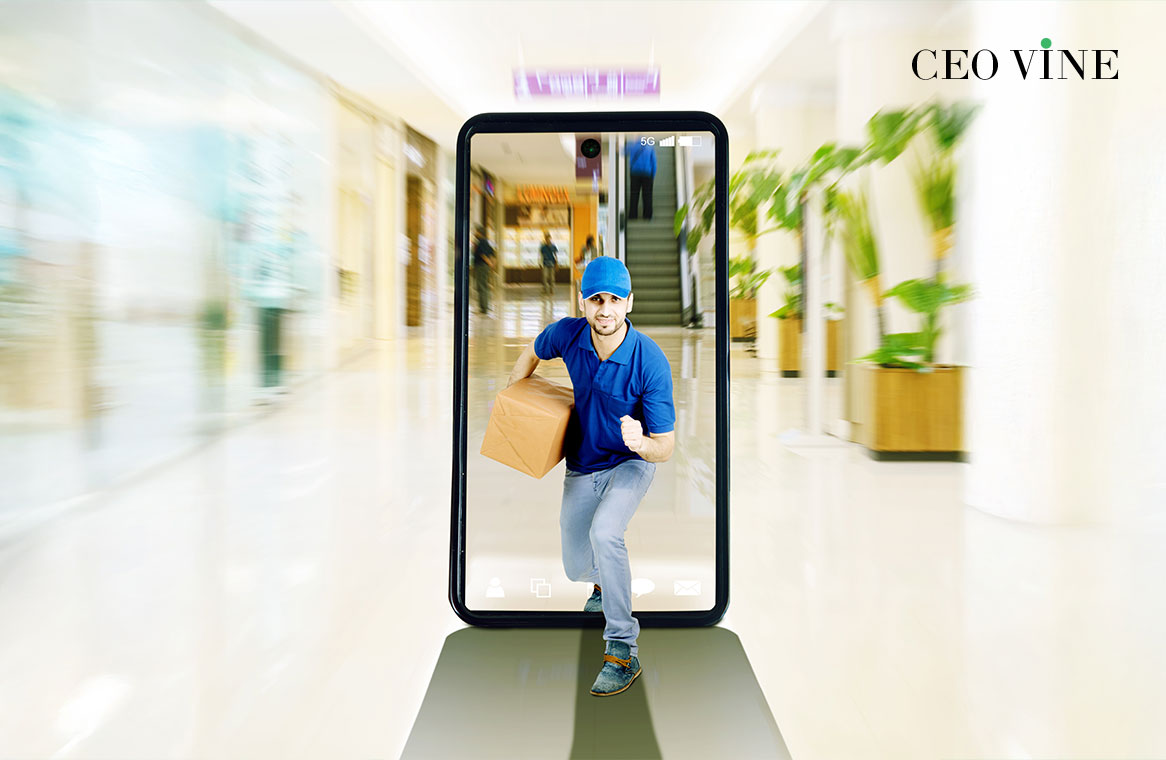
India’s quick-commerce market has seen explosive growth, with total orders on platforms like Blinkit and Instamart touching ₹64,000 crore in FY25 up from ₹30,000 crore the previous year, as report by CareEdge Ratings.
The industry’s gross order value (GOV) is projected to more than triple, reaching ₹2 lakh crore by FY28, driven by rising digital penetration and a shift in consumer habits.
The report highlights how Q-comm platforms are now moving beyond hypergrowth to focus on long-term profitability and operational efficiency. Key levers include tech-driven inventory optimization, expansion into Tier 2 and Tier 3 cities, and new revenue streams like subscriptions, private labels, and advertising. CareEdge projects revenue from platform fees to grow from ₹10,500 crore in FY25 to ₹34,500 crore by FY28, with the sector’s take rate rising to 18%—up from 7–9% in FY22.
Don’t Miss | Unicorns 2025: Who Made It to the Billion-Dollar Club So Far?
Founded on the operational backbone of dark stores and micro-warehouses, the quick-commerce model is becoming increasingly robust. The number of dark stores grew over 70% to 3,072 in FY25, while average revenue per store increased by 25%. Although just 1% of India’s grocery demand is currently fulfilled through Q-comm, experts believe the category is primed for rapid acceleration.
Tanvi Shah, Head of CareEdge Advisory, emphasized that the next phase of growth will be led by deeper tech integration and market penetration beyond urban centers.
With over 270 million online shoppers, 1.12 billion mobile connections, and increasing disposable incomes, India is now the second-largest e-retail user base globally. The market is also witnessing a clear shift in consumer preferences toward convenience-led platforms that prioritize speed and comfort.