



How High Time Foods Is Building a Two-Year Shelf-Life Plant Protein for the World

In most parts of the world, protein is not just a nutritional conversation, it is a logistics problem.
While plant-based innovation has surged across the US and Europe, much of it has been built for refrigerated supermarket shelves and premium urban consumers. But what about kitchens without reliable cold storage? What about institutions, caterers, and restaurants that operate in high-temperature, infrastructure-constrained environments?
That question led to the birth of High Time Foods in 2022.
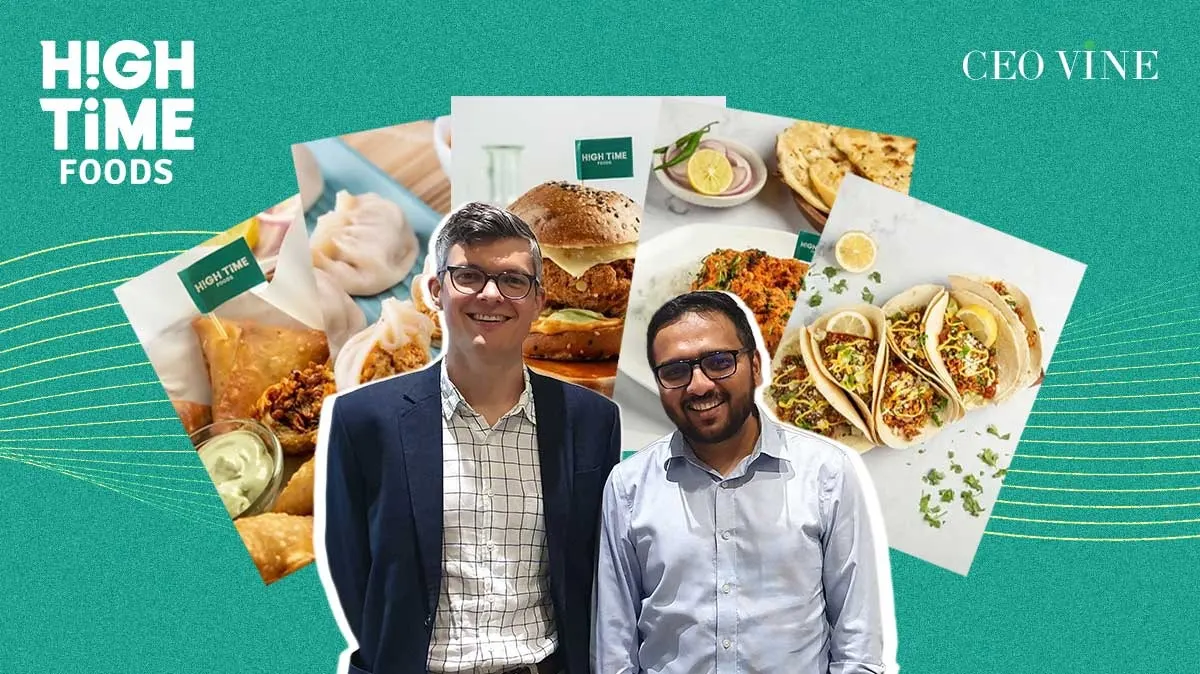
Founded by Aakash Shah (Co-Founder & CEO) and Damian Felchlin (Co-Founder & COO), both graduates of Babson College, the startup is building a shelf-stable, plant-based protein platform designed not for novelty, but for practicality.
“We realised that protein access is impossible without exceptional taste. Sustainability and logistics matter, but if it doesn’t taste good, nothing else matters,” says Aakash.
From MBA Classrooms To Commercial Kitchens
The idea took shape during their MBA at Babson, where both founders were immersed in entrepreneurship and food systems innovation. Aakash had prior experience in food technology sales and had launched and exited a cloud kitchen venture. Damian brought global trade expertise, having worked with major food importers in the US and served as a trade commissioner for the Swiss government, helping food brands enter North America.
What united them was a shared frustration: most alternative proteins depended heavily on cold-chain logistics and had limited applications, like burgers or nuggets, but food is so much more.
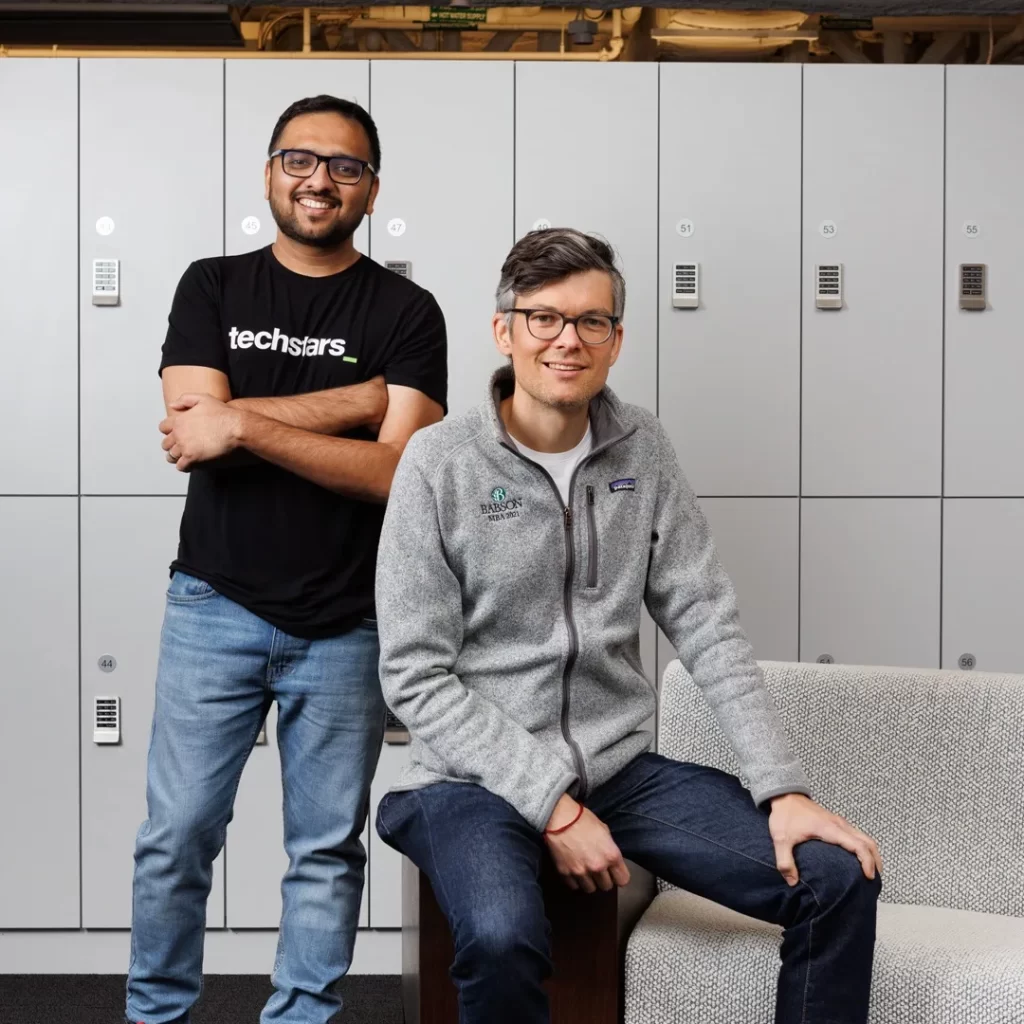
During his MBA, Aakash worked with the Good Food Institute and interviewed over 50 chefs and kitchen operators across India. The feedback was consistent, taste, affordability, versatility, and shelf life were non-negotiable.
Winning Babson’s annual startup pitch competition along with a $20,000 prize, allowed him to invest in early R&D. The breakthrough? A dehydrated, plant-based minced protein that requires no refrigeration and rehydrates in just two minutes.
“When our first commercial production run was completed, we literally jumped in the air,” Damian recalls.
Building A Protein That Travels Like Rice, Cooks Like Meat
The brand’s flagship product is a dry, plant-based minced protein blend made from pea, wheat, and mung bean proteins.
Because the product contains no water, it offers a shelf life of up to 2 years and requires zero refrigeration, significantly reducing storage and transportation costs while minimising food waste. This shelf-stable format also enables seamless global distribution without dependence on cold-chain infrastructure, making it particularly viable for emerging and high-temperature markets.
Once rehydrated with water and oil, it functions like a versatile protein base that can be shaped and cooked into dishes ranging from samosas and kebabs to tacos, momos, patties, curries, and pasta fillings. Each serving delivers approximately 19 grams of protein, comparable to chicken.
Unlike many plant-based startups focused on mimicking meat, High Time Foods positions itself differently.
“We are not a meat alternative brand. We are building a foundational protein ingredient — something chefs can adapt to any cuisine for both veg and non-veg consumers/eaters,” says Aakash.
This B2B-first model allows them to serve restaurants, institutional kitchens, food manufacturers, and HoReCa operators at scale.
Early Traction Across The US And India
Since launching commercially in 2022, the company has supplied its products to foodservice operators and manufacturers across the United States, including partnerships with the largest US food distributor, Sysco.
In 2025, the brand expanded aggressively into India, relocating its headquarters to Bengaluru after closing a $1.2 million seed round led by Avaana Capital. Earlier, it had raised $0.55 million through the Techstars accelerator program.
Today, the company serves over 30 B2B clients across India and the US.
Among its notable collaborations:
- Vasantha Bhavan, a 65-year-old vegetarian restaurant chain
- Birdy’s, which recently launched four high-protein dishes using High Time’s minced protein
Before India expansion, the company had already validated demand in US college dining halls, national burrito and dosa chains, and a leading momo manufacturer.
The startup is also exploring expansion into West Africa — markets where shelf stability is not just convenient but essential.
Engineering For Infrastructure Gaps
The plant-based protein market globally is expanding rapidly, driven by sustainability awareness and shifting consumer preferences. However, most products still rely on frozen or refrigerated formats, limiting accessibility in emerging economies.
High Time Foods is solving this structural bottleneck.
By eliminating cold-chain dependence, the company reduces emissions, cuts logistics costs, and improves affordability. Its low-moisture extrusion-based processing ensures texture and functionality even in spice-heavy, high-moisture cuisines.
“Shelf stability isn’t a feature for us, it’s the foundation. It opens markets that conventional alt-protein products simply can’t reach,” Damian explains.
The startup also offers an allergen-free variant (no wheat, soy, or nuts), expanding usability across institutional settings.
Scaling With Discipline
With a lean 10-member team, the brand is pursuing a phased expansion strategy focused on deepening its HoReCa penetration across India, expanding into institutional kitchens and food manufacturing partnerships, and exploring quick-commerce channels.
The company is also introducing new formats such as protein chunks and finished products, including high-protein Manchurian balls and momos.
Pricing remains a core differentiator. The brand aims to compete directly with conventional proteins like chicken or paneer by leveraging shelf stability and logistics savings.
“In markets like India, affordability is as important as innovation,” says Aakash.
A Human Moment Behind The Mission
Beyond numbers and funding rounds, some milestones remain deeply personal.
One Middle Eastern restaurant owner adapted her grandmother’s seekh kebab recipe using High Time’s protein base. When she tasted the final dish, she was moved to tears.
“That moment reminded us why we’re building this. Food is emotional. If we can preserve taste and tradition while making protein more accessible, that’s real impact,” Damian shares.
The Road Ahead
In the next 2–3 years, the brand aims to become a go-to plant protein platform across India and key global markets. Expansion into emerging economies, deeper B2B partnerships, and continued product innovation remain central to its roadmap.
But the long-term ambition goes further.
“We are building products for a future in which nutritious plant-based protein is affordable and accessible to everyone in the world,” says Aakash.
In a category crowded with retail-focused meat alternatives, High Time Foods is betting on something less glamorous but far more scalable for both veg and non-veg eaters.
If protein is one of the defining food challenges of this decade, the brand is positioning itself not as a trend-driven brand, but as a foundational solution.
And perhaps, as the founders believe, it really is high time.