



Government Franchise Opportunities in India: An Option for Entrepreneurs in 2025
In 2025, government franchise options are becoming an attractive route for small-town entrepreneurs, first-time founders, and service-oriented individuals alike.

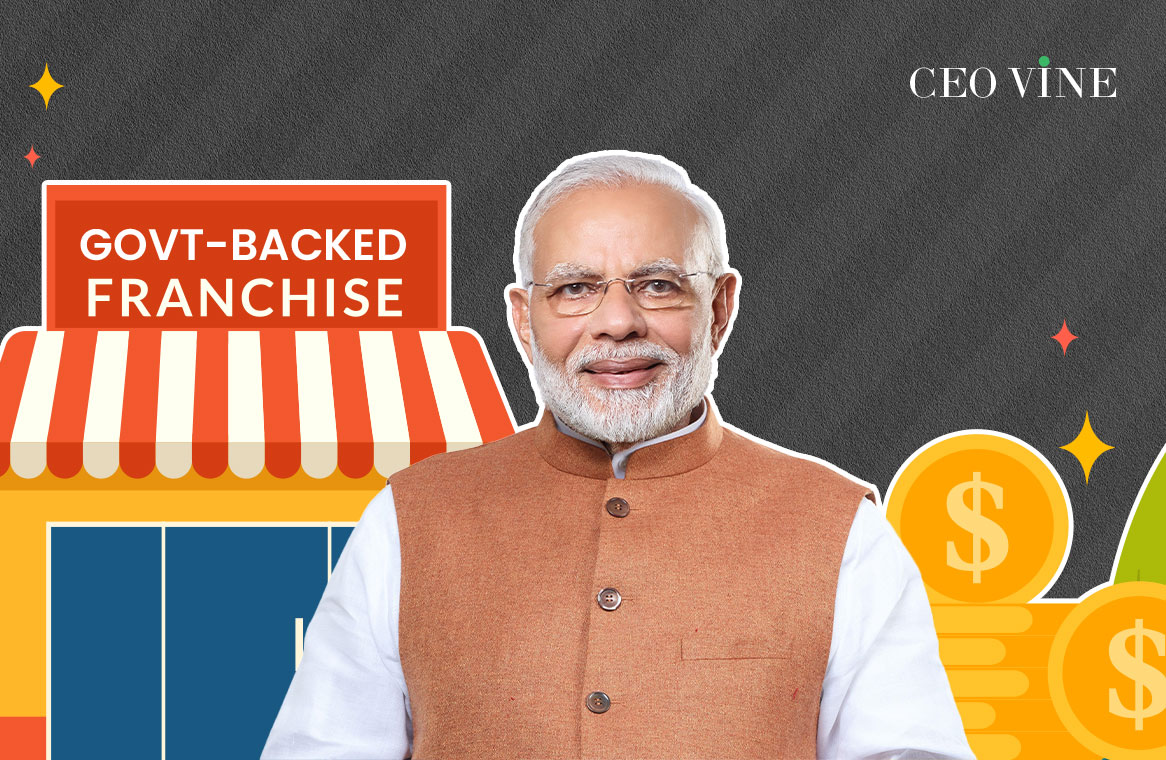
India’s economy is vast, diverse, and teeming with entrepreneurial energy. But for those looking for low-risk, high-trust business opportunities, one path stands out—government franchise opportunities in India.
With India’s franchise industry valued at ₹1.2 lakh crore in 2025 and growing at a healthy CAGR of 30-35%, government-backed franchises are becoming an attractive route for small-town entrepreneurs, first-time founders, and service-oriented individuals alike. These models offer the reliability of government support, the trust of public service, and a proven business model—making them an excellent alternative to expensive private franchises.
What Exactly Is a Government Franchise?
A government franchise is a business operated by private individuals or entities under the banner of a government department or Public Sector Undertaking (PSU). These range from healthcare and citizen services to fuel retail and agriculture. Entrepreneurs get to run operations independently while following structured guidelines and benefiting from institutional backing.
Industry Snapshot: A Fast-Growing Sector
- Annual Growth Rate: 15–20%
- Total Revenue Generated (2024): ₹75,000 crore
- Jobs Created: Nearly 2 million
- Profit Margins: Ranges from 10% to 40%
- High-demand sectors: Healthcare, retail distribution, citizen services, agri-support
The government’s push for Aatmanirbhar Bharat, combined with the Digital India initiative, is propelling this sector to new heights, especially in Tier 2 and Tier 3 cities.
Why Are Entrepreneurs Choosing Government-Approved Franchises?
| Benefit | Why It Matters |
|---|---|
| Built-in Trust | Government branding adds instant credibility in the market |
| Affordable Entry | Many franchises start as low as ₹50,000 |
| Assured Demand | Most offer essential services with steady customer inflow |
| Institutional Support | Training, operational handholding, and compliance support from the government |
| Subsidy Eligibility | Some schemes come with funding assistance or priority lending |
| Digital Access | Most have integrated digital infrastructure for operations and record-keeping |
Top Government Franchise Opportunities in India (2025)
Below is a list of the most promising and widely available government franchise businesses in India, complete with investment details, potential monthly revenue, and typical profit margins.
| Franchise Name | Investment | Monthly Revenue | Profit Margin |
|---|---|---|---|
| Ayushman Bharat Kendra | ₹5–10 lakhs | ₹1.5–2 lakhs | 15–20% |
| PAN Services | ₹50K – ₹2 lakhs | ₹50K – 1.5 lakhs | 30–40% |
| GST Suvidha Center | ₹1–3 lakhs | ₹70K – 2 lakhs | 25–35% |
| Aadhaar Kendra | ₹2–5 lakhs | ₹80K – 2.5 lakhs | 20–30% |
| Passport Seva Kendra | ₹10–20 lakhs | ₹3–5 lakhs | 15–25% |
| Grahak Seva Kendra | ₹50K – ₹2 lakhs | ₹40K – 1 lakh | 20–25% |
| Jan Aushadhi Kendra | ₹2–5 lakhs | ₹3–5 lakhs | 15–20% |
| Digital Seva Centre | ₹1–3 lakhs | ₹80K – 2 lakhs | 20–30% |
| LPG Distributorship | ₹25–50 lakhs | ₹5–10 lakhs | 5–10% (fuel) |
| Kisan Vikas Kendra | ₹5–10 lakhs | ₹3–8 lakhs | 15–20% |
| IOCL Petrol Pump | ₹1–2 crores | ₹1.5–5 crores | 3–5% (fuel), 15–20% non-fuel |
| LIC Agent | ₹5,000 – ₹10,000 | ₹30K – 5 lakhs | Commission-based |
Tip: Jan Aushadhi Kendra, with low investment and high social impact, has been a top performer in rural India (Apply Online Here). Similarly, GST Suvidha Centers are gaining momentum post-GST rollout across sectors.
What to Keep in Mind Before You Apply
While the opportunity is promising, some groundwork is essential:
- Comply with strict documentation, compliance, and verification processes
- Pick a high-footfall location or underserved area for better profitability
- Expect longer approval cycles (4–8 weeks) in some departments
- Be ready for training sessions and operational audits
- Tech literacy is becoming crucial—most services now run on online dashboards or apps
Next Read | Empowering Innovators: Government Schemes Fueling Startup India Revolution
How to Apply for a Government Franchise
Applying for a government franchise typically involves choosing the right vertical, meeting eligibility criteria (age, education, financial capacity), and submitting the required documents through the official portals. Departments like the Ministry of Health, UIDAI, Bharat Petroleum, and India Post usually have franchise or partnership sections on their websites with clear application steps.
In some cases, interviews or training sessions are mandatory before approval is granted. Post-approval, you’ll be signing an agreement and setting up your center with operational guidelines from the parent department.
In conclusion, starting a government-approved franchise in India is a smart and sustainable way to build a future-ready business that combines public trust with private enterprise. With low investment, strong demand, and institutional credibility, these ventures are ideal for entrepreneurs seeking long-term value over hype.
Whether it’s serving medicines via a Jan Aushadhi Kendra, helping citizens with documents at a PAN or GST Suvidha Center, or running a high-traffic fuel station, the possibilities are wide—and impactful.