



BlissClub Success Story – India’s Largest Women’s Activewear Brand
BlissClub has raised approximately $21.6 million to date, backed by Elevation Capital, Eight Roads Ventures, Alteria Capital, Stride Ventures, and angel investors.


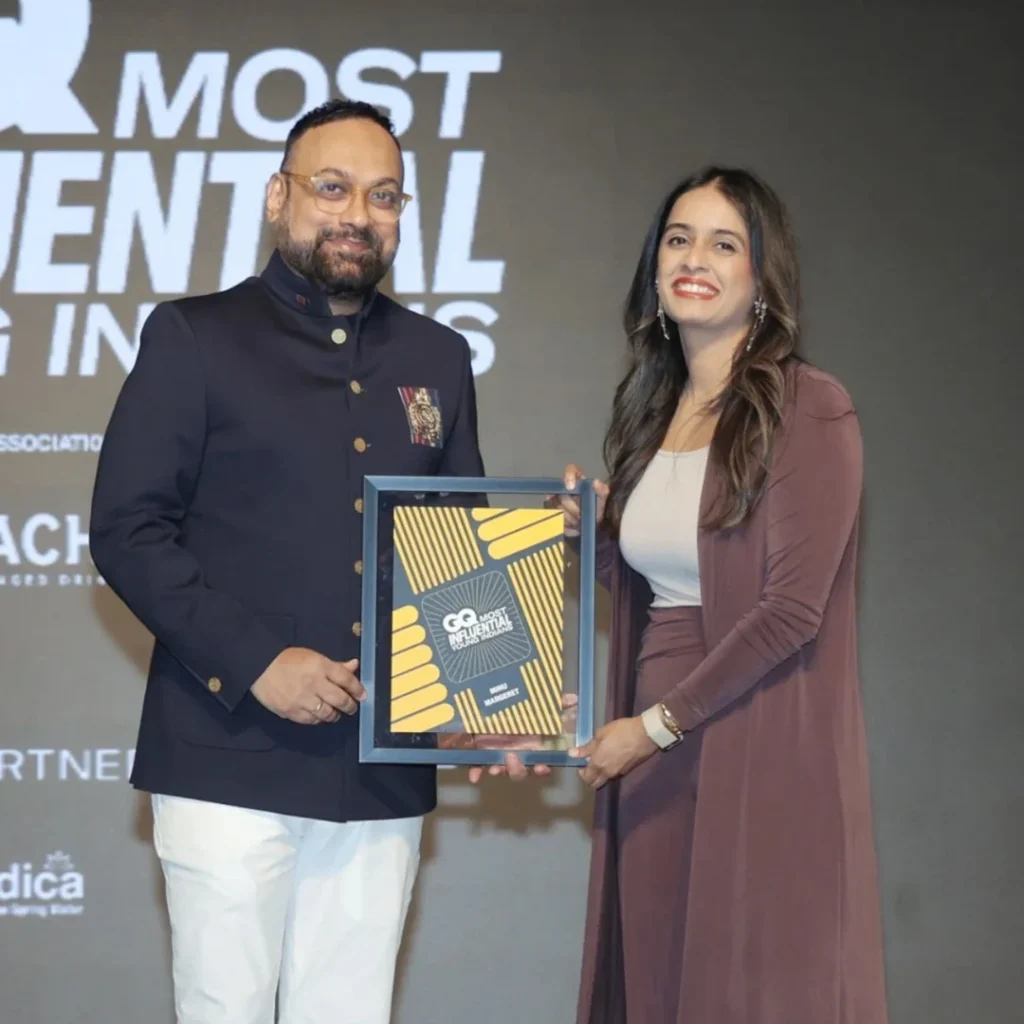
Minu Margeret is 5’2″. She is a national-level Ultimate Frisbee player. She holds an MBA from the Indian School of Business and has built her career across Goldman Sachs, Unilever, Wipro, Anheuser-Busch InBev, and PhonePe. And for years, every time she needed to train, she came home frustrated.
Ankle-length leggings designed for the height of an average Western woman ended up as three-quarter fits on her frame. Sports bras in her size range were rare. Shorts that fell to a reasonable length, the kind she could wear at 5:30 AM heading to frisbee practice without worrying about how she looked, simply did not exist in the Indian market. So she wore men’s shorts instead.
“I would always wear boys’ shorts,” she has recalled. “We are in 2021, and there is no apparel.”
When international travel gave her access to better options, the irony compounded itself. She would buy armfuls of activewear abroad, only to later discover the items had been manufactured in India, Sri Lanka, or Bangladesh in the first place. She was flying halfway around the world to buy products made in her own country, because no Indian brand had bothered to design them for her.
In March 2020, as the pandemic shut the world down, Minu Margeret founded BlissClub.
A Frustration That Took Years To Become A Business
The gap Minu Margeret had identified was not a niche complaint. India’s activewear market had real players, global sportswear giants, fast-fashion labels, and a growing set of domestic brands, but most of them had been built around men’s fit and adapted downward for women, treating women’s activewear as a secondary product line rather than a category with its own design requirements. Fabric that stretched too little or compressed too much. Pockets, on the rare occasion they existed, treated as an afterthought rather than a necessity for someone trying to carry a phone and keys through an actual workout. Sizing built around body types that did not reflect the range of Indian women’s frames.
BlissClub’s founding insight was sharper than simply noticing that Indian women wanted activewear. That demand was already visible to anyone paying attention. The sharper insight was that Indian women wanted activewear designed around their actual lives, not adapted to them as a downstream afterthought of a men’s product line.
The brand’s first launch, The Ultimate Leggings, built that insight directly into the product. The leggings featured four pockets, sized to carry a phone, headphones, or keys, at a time when most activewear treated functional pockets as a luxury rather than a baseline expectation. It became an instant success and set the tone for everything the brand built afterward: obsess over the specific, unglamorous details that incumbents had overlooked, and let the product do the work of proving the brand understood its customer.
BlissClub also made a deliberate choice that ran against the conventions of the fashion industry: it built its community before it built its product line.
“We want authenticity,” the company has said of its approach. “We want customers to come to our website and think, hey, she looks like me.”
Photoshoots use women from the brand’s own community rather than professional models, and the company maintains a shape-inclusive, neutral modelling policy across its imagery, a deliberate departure from a fitness apparel industry that has historically marketed almost exclusively through lean, toned, before-and-after framing.
From Seed Funding To A 33X Growth Year
BlissClub’s institutional backing arrived early and came with a signal that was, in its own way, a product endorsement. In May 2021, the company raised $2.25 million in seed funding led by Elevation Capital, formerly SAIF Partners, with a group of angel investors that included Neeraj Arora, former Chief Business Officer of WhatsApp, Kunal Shah, founder of CRED, Ashish Goel, founder of Urban Ladder, Chakradhar Gade, founder of Country Delight, and Pam Lee, a former Lululemon executive. A senior executive from the world’s most recognised women’s activewear brand choosing to back BlissClub functioned as a credibility marker that few seed rounds carry.
What followed was a year of growth rare even by Indian D2C standards. Between May 2021 and May 2022, BlissClub’s revenue grew 33 times over, reaching ₹70 crore in annual revenue, a pace of growth that pushed the company firmly onto the radar of the broader investment community. In May 2022, BlissClub closed an $18 million Series A round led jointly by Eight Roads Ventures and Elevation Capital.
The growth has continued, if at a more measured pace, in the years since. Revenue rose from roughly ₹15 crore in FY22 to ₹87 crore in FY24, then to ₹131.5 crore in FY25, an 8X increase over three years. Losses have narrowed considerably during the same period, falling from ₹44 crore in FY24 to ₹20 crore in FY25, a reduction of more than half, driven largely by tighter control over employee costs even as the cost of materials continued to rise with the scale of operations. By early 2026, the company had reportedly crossed an annualised revenue run rate of ₹250 crore and was in discussions for a fresh funding round of approximately $25 million, which would mark its largest raise since the 2022 Series A.
Total funding raised across BlissClub’s rounds stands at approximately $21.6 million to date, backed by Elevation Capital as lead investor alongside Eight Roads Ventures, Alteria Capital, Stride Ventures, and a base of angel investors that includes some of India’s most recognised consumer-tech founders.
What The Category Looks Like From Here
BlissClub operates in a market that has been growing faster than most of India’s broader apparel sector. India’s activewear market was valued at approximately $15.11 billion in 2024 and is projected to reach $29.97 billion by 2030, growing at a CAGR of 12.2%, nearly double the pace of the global activewear market over the same period. Women represented the largest revenue-generating segment within India’s broader athleisure category in 2025, accounting for 56.8% of total market share, and continue to be the fastest-growing segment by engagement, even as competitors increasingly chase the same audience BlissClub built its identity around from day one.
That competitive landscape has only become more crowded since BlissClub’s founding. The company now competes directly with Kica Active, Cultsport, Cava Athleisure, HRX, Decathlon’s Domyos, and a widening field of digitally native challengers, alongside the global sportswear brands that dominated the category before any of them existed. BlissClub’s response has been to expand carefully rather than broadly, moving from its original leggings-and-sports-bras core into shorts, tops, tees, citywear, swimwear, travel wear, and accessories, while keeping its total catalogue deliberately tight, at roughly 25 products at any given time, rather than chasing the seasonal turnover typical of fashion retail.
That restraint reflects a specific risk the company appears conscious of. Each new category the brand enters tests whether it still knows what it stands for. Expand too quickly, and BlissClub risks becoming another apparel label with good intentions and inconsistent execution. Expand carefully, and it has a credible shot at owning the specific space between performance wear, comfort fashion, and everyday utility, a position genuinely undefended by most of its larger competitors.
The Lululemon Comparison, And Why It Matters
Minu Margeret has been explicit about the scale of ambition behind BlissClub, repeatedly invoking Lululemon, the Canadian athleisure brand valued at roughly $45 billion, as the reference point she measures the opportunity against. The comparison is not about replicating Lululemon’s product line. It is about the size of the gap BlissClub is trying to close: India’s women’s activewear market remains a fraction of what its population and growing fitness culture would suggest it should be, relative to how the category has developed in markets like the United States.
Minu Margeret has also spoken about a longer-term ambition that would represent a meaningful reversal of an established pattern: for BlissClub to become the first Indian activewear brand to go global, sending Indian-designed, Indian-manufactured activewear outward into international markets, rather than continuing a trade flow that has, for decades, run almost entirely in the other direction.
BlissClub is headquartered in Bengaluru, India, and sells through its own website, physical retail stores, and marketplaces including Myntra, Amazon, and Ajio.