

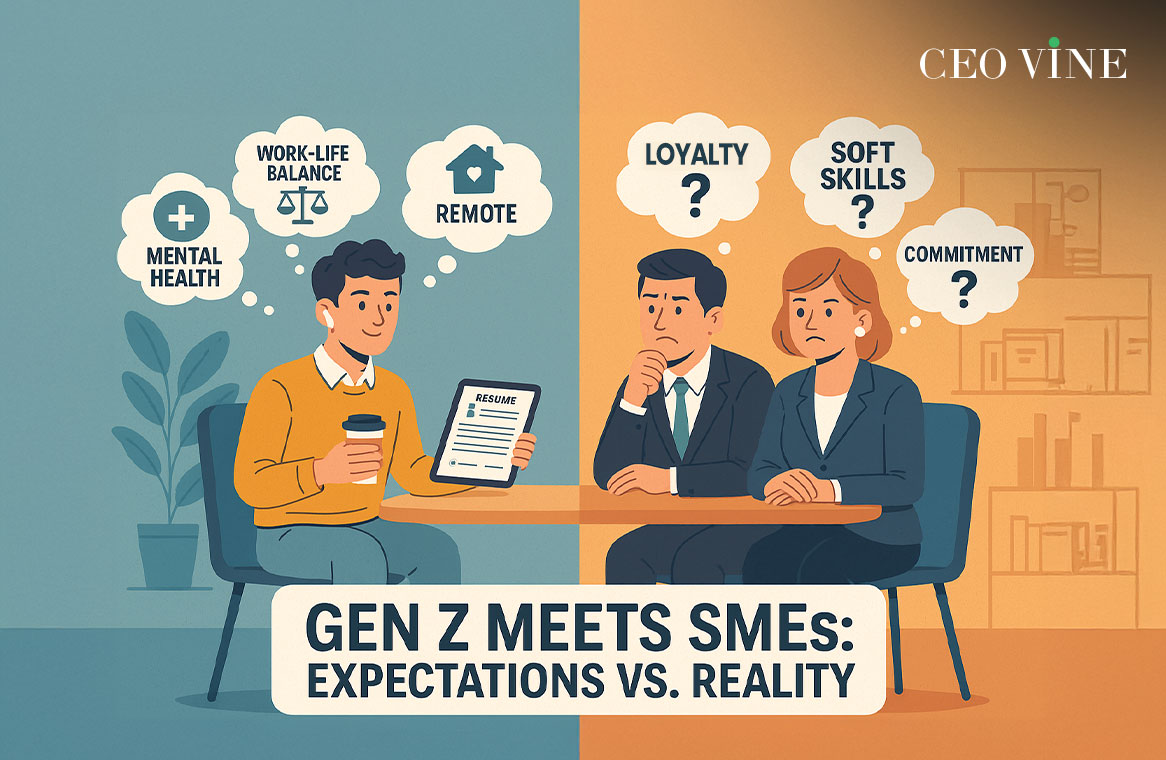
Over the past few years, Generation Z—those born roughly between 1997 and 2012—have entered the workforce with unique expectations, skills, and behaviors. They are digital natives, social justice advocates, and more open to remote or hybrid work than any previous generation. Yet, despite these strengths, a noticeable trend is emerging: Small and Medium Enterprises (SMEs) are increasingly hesitant to hire Gen Z candidates.
Why is this happening?
Here’s a deep dive into the growing gap between Gen Z and SMEs, and what it says about the future of work.
1. Expectation vs. Reality
One of the most cited reasons SMEs turn down Gen Z applicants is a mismatch between expectations and what small businesses can realistically offer.
High salary expectations: Many Gen Zers expect compensation packages that include not just a fair salary but also wellness benefits, flexible hours, mental health support, and opportunities for rapid growth. While large corporations might be able to meet those demands, SMEs with limited budgets often cannot.
Desire for quick promotions: Gen Z places a premium on career growth and personal development. SMEs, however, often lack the hierarchical structure or resources to provide frequent promotions or role changes.
2. Perceived Lack of Soft Skills
SMEs often complain about a lack of professional etiquette, communication skills, and accountability among Gen Z applicants.
Over-reliance on digital communication: Many Gen Zers are more comfortable texting or emailing than making phone calls or having face-to-face meetings—skills that are still critical in many small business environments.
Job-hopping reputation: A survey by ResumeLab found that 83% of Gen Z professionals are open to leaving their job within the first year. This tendency makes SMEs wary of investing time and money in training someone who might leave quickly.
3. Attitude and Work Ethic Misalignment
Some business owners cite a lack of commitment or “entitlement” as a reason for turning down Gen Z applicants.
Desire for flexibility vs. operational needs: SMEs often require employees who are adaptable and willing to multitask. Gen Z, however, tends to draw clearer lines between work and personal life and may resist tasks that don’t align with their job description.
Mental health prioritization: While prioritizing mental health is important, some employers misinterpret Gen Z’s boundaries and needs as a lack of resilience or a reluctance to deal with workplace stress.
Adding to this narrative, journalist Palki Sharma recently highlighted in an Instagram reel how Gen Z is often perceived as lacking the traditional work ethic valued by older generations. In her video, she critiques the mindset of younger professionals who expect rapid rewards and flexibility without showing long-term commitment or grit. This widely shared reel resonated with many employers, further fueling the debate around how Gen Z approaches work and responsibility.
4. Cultural Fit and Generational Divide
SMEs often run on tightly-knit cultures that rely on informal communication, hustle, and a “wear-many-hats” mentality. This can clash with Gen Z’s more structured, values-driven approach to work.
SMEs want loyalty and initiative: They seek team members who will grow with the company and be proactive. Gen Z is often more transactional in their view of jobs, treating roles as stepping stones rather than long-term commitments.
Generational misunderstanding: Many SMEs are still led by Gen X or older millennials, who may struggle to understand or relate to Gen Z’s priorities such as climate activism, DEI (diversity, equity, and inclusion), or work-life balance.
Also Read | Why Brands and Manufacturers Should Avoid Fully AI-Generated Product Photography
5. A Two-Way Street
To be fair, the friction isn’t all Gen Z’s fault. Many SMEs are still stuck in outdated hiring practices and have not adapted to the new realities of the workforce.
Lack of onboarding and mentorship: Gen Z thrives with structured onboarding and regular feedback, but many SMEs lack these formal processes.
Limited employer branding: If an SME isn’t visible on platforms like LinkedIn, Instagram, or TikTok, they may not even attract Gen Z talent in the first place.
Bridging the Gap
To move forward, both sides need to adapt:
SMEs should invest in clearer communication, mentorship, and flexible work structures that cater to Gen Z without compromising operational goals.
Gen Z needs to develop professional resilience, patience, and adaptability to meet the real-world needs of smaller businesses.
The bottom line? Gen Z isn’t unemployable—they’re just different. And SMEs aren’t resistant to change—they’re often resource-constrained. The future of work depends on bridging this gap with empathy, flexibility, and open dialogue.
